Unattended sale
Lawful to sell is not lawful to vend.
A market can permit nicotine pouches over a counter and prohibit selling them from a machine. The United Kingdom is the clearest case: pouches remain lawful to sell, and from 29 October 2026 it is an offence to have a machine on your premises that dispenses them.
Age verification is the constraint
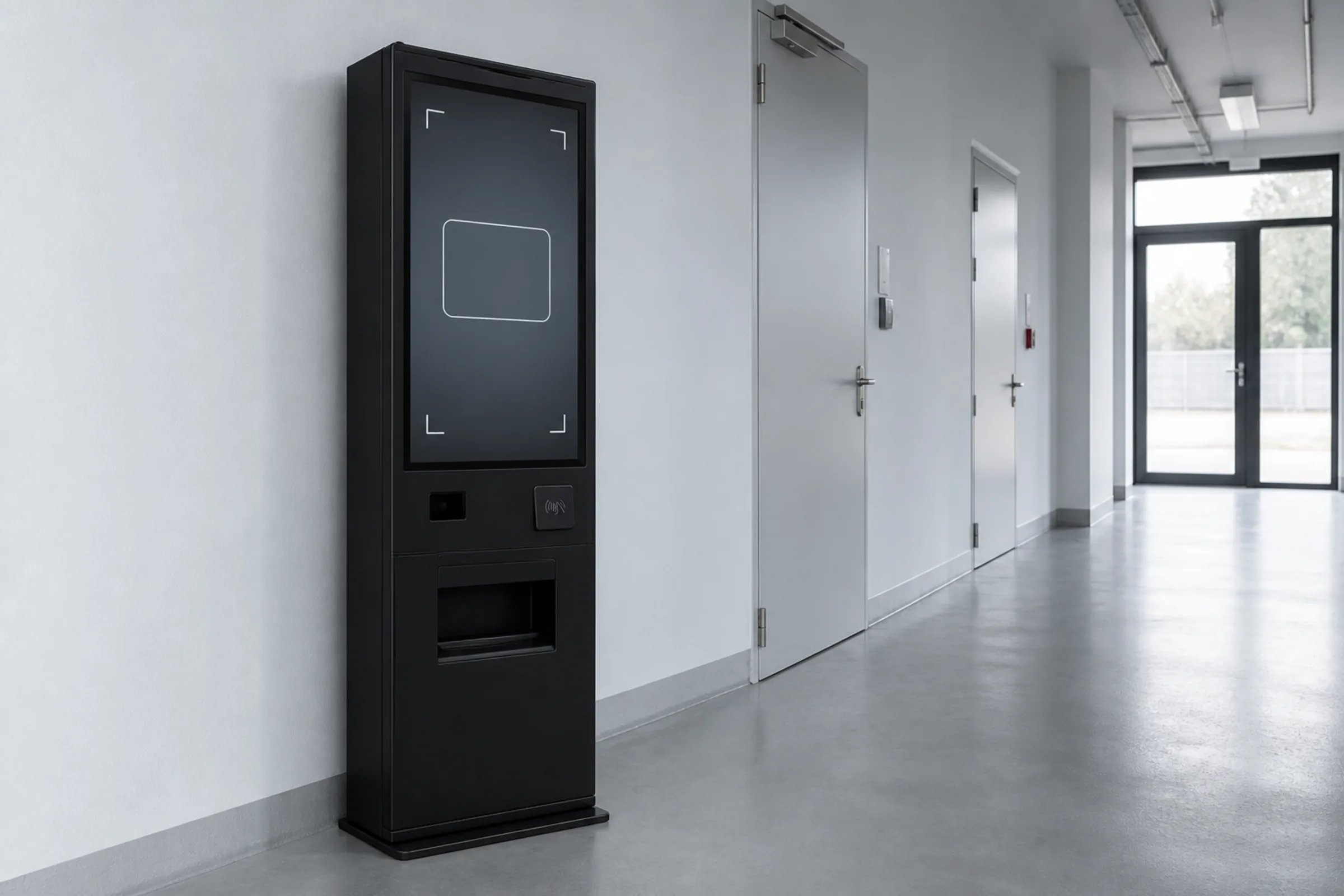
Every market with a minimum age applies it however the sale happens. Behind a counter a person checks; in an unattended machine the machine has to. That is the whole engineering problem, and it is what most regulators actually ask about.
Switzerland is the instructive case, because its rules address machines directly rather than by silence: age verification is mandatory for vending machine sales, and must be against an official identity document — physical or electronic, including a national e-ID. The control system is the operator’s choice provided it actually enforces the age limit.

Four ways a market closes
Product ban
The product itself may not be sold, so there is nothing to vend. France, the Netherlands, Belgium.
Channel ban
The product is lawful in shops and prohibited from machines specifically. The United Kingdom from October 2026; Poland, which also bars self-service and online sale.
Display ban
Product may not be shown, so a glass-fronted machine fails even where vending is otherwise allowed. Denmark.
Monopoly distribution
Sale is confined to a licensed channel such as a state tobacco monopoly, so a machine outside it is unlawful however good the age check.
Three form factors
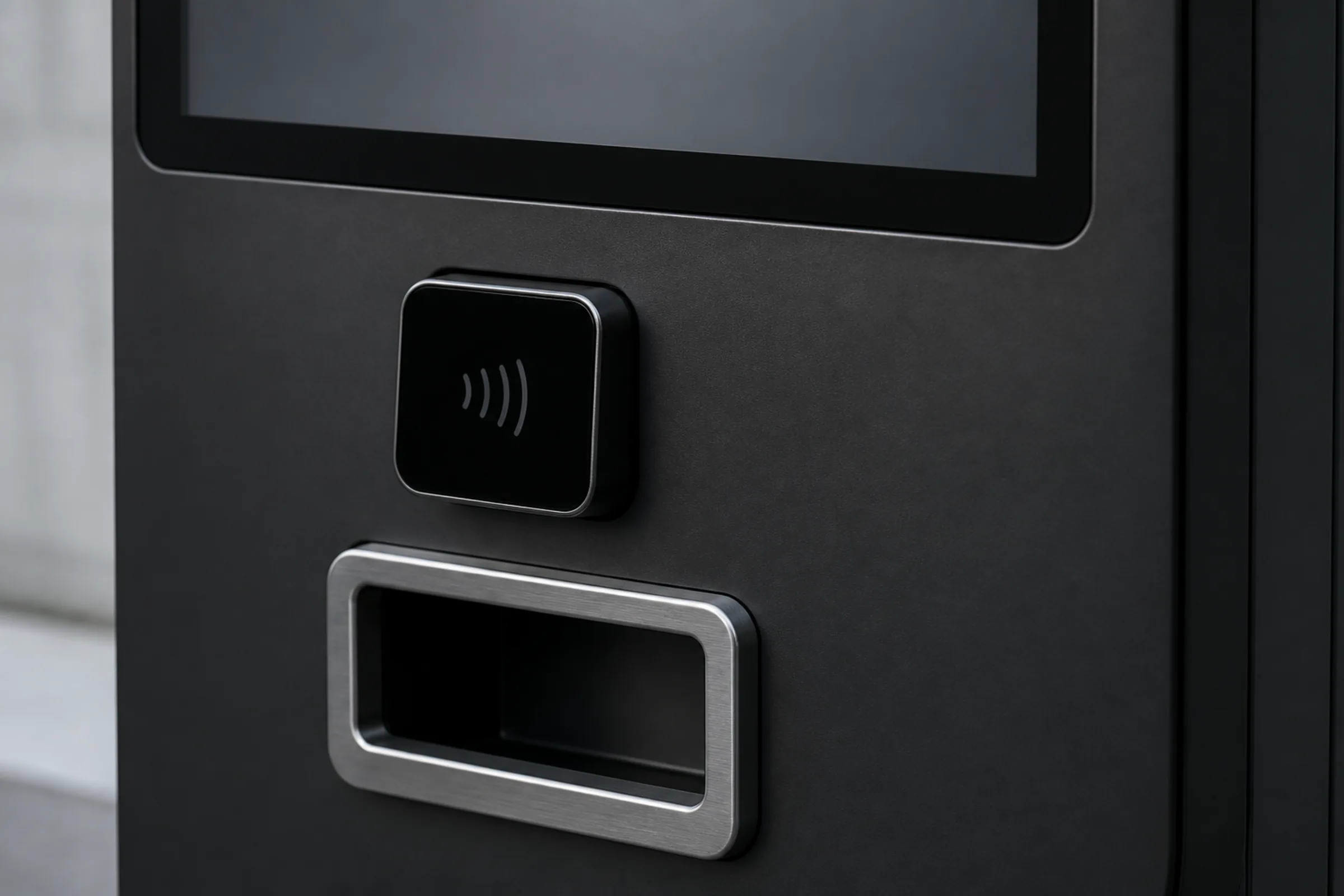
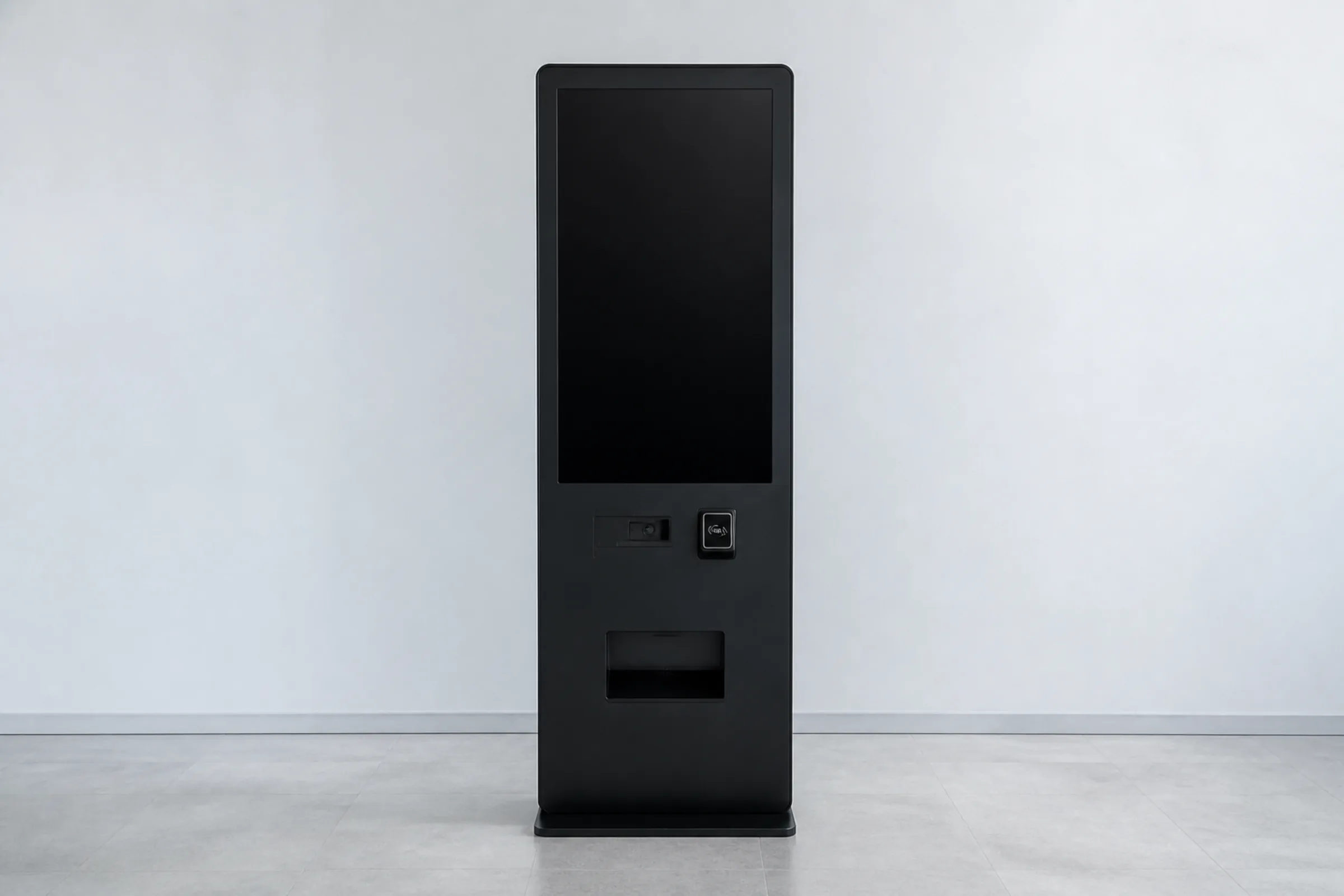
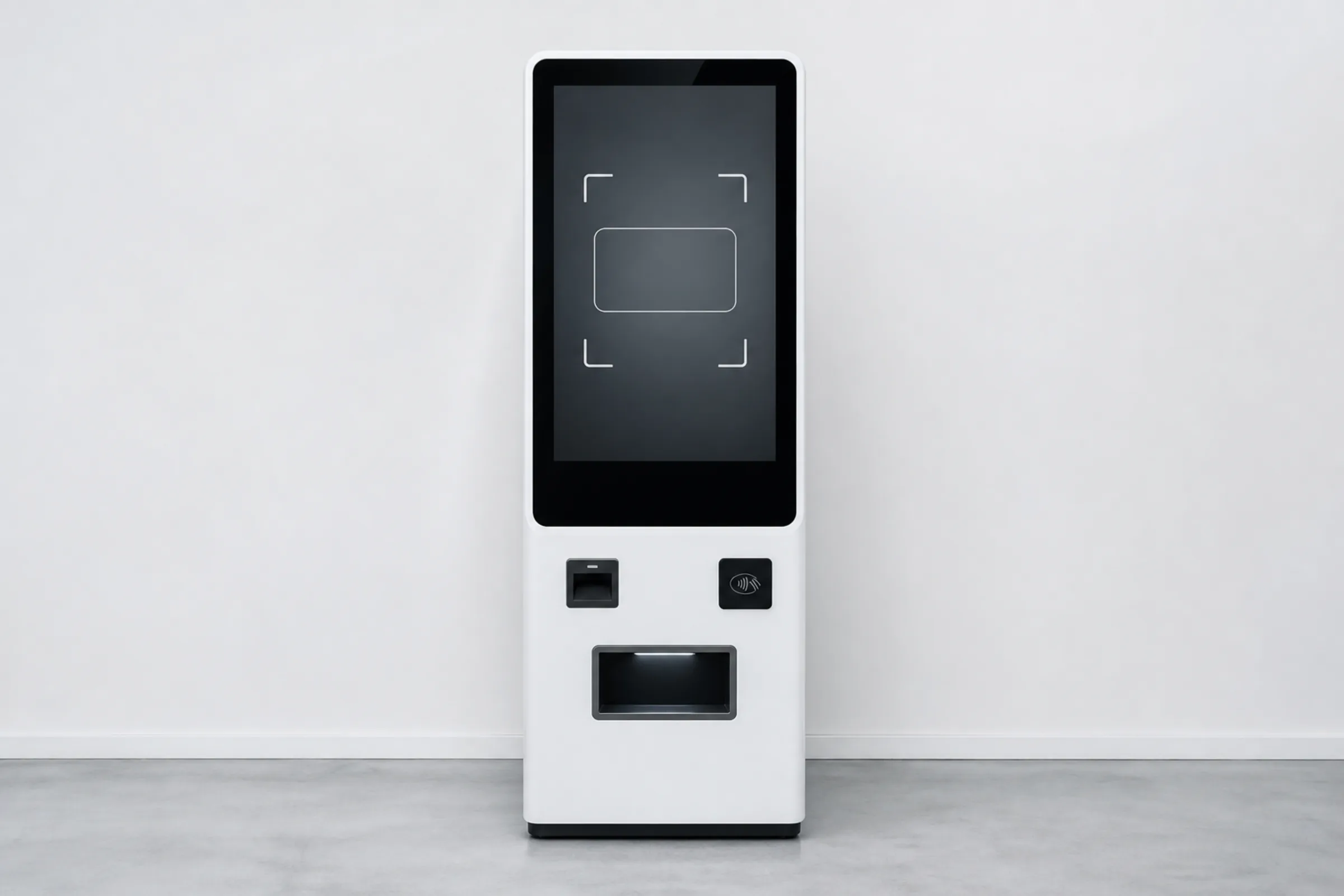
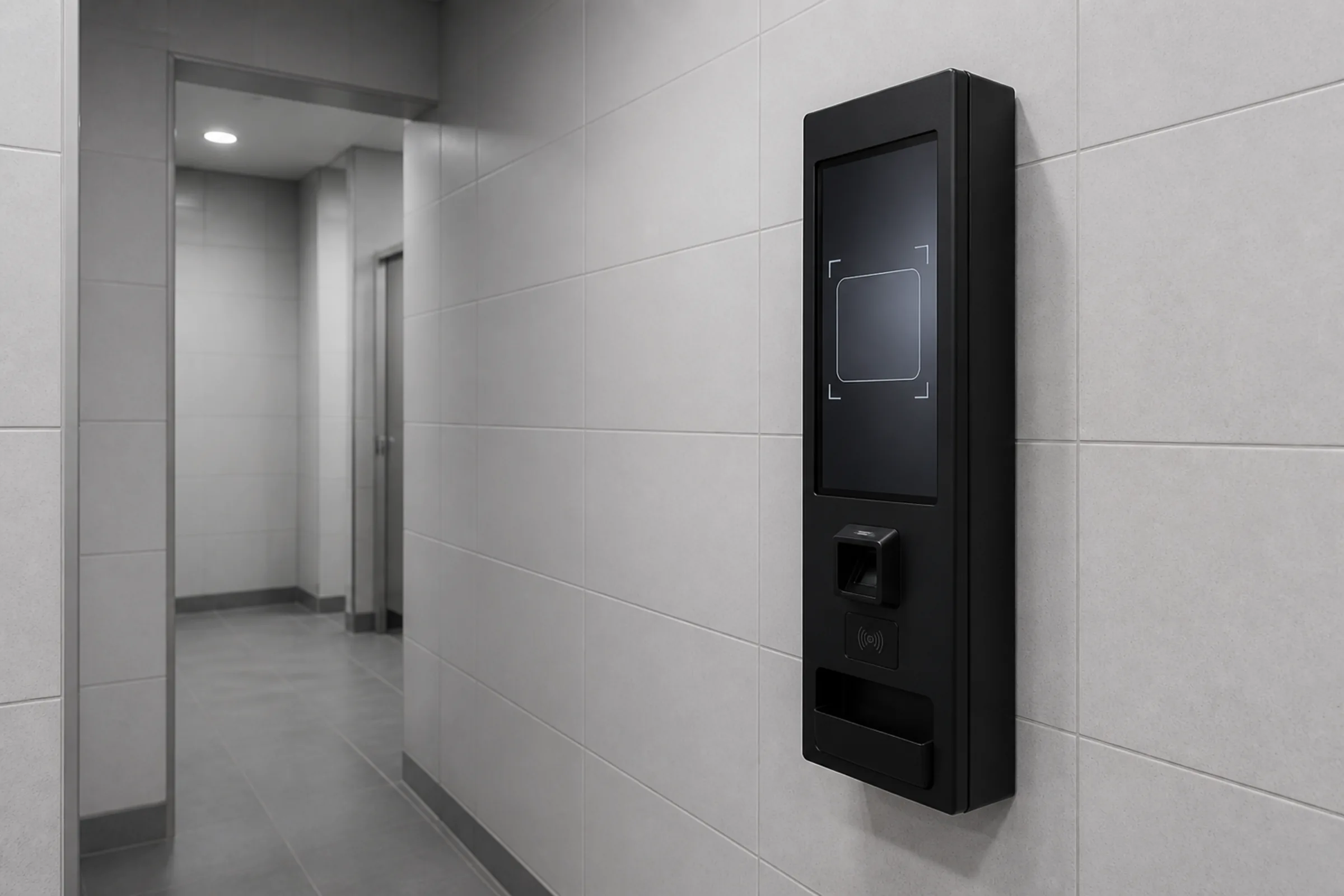
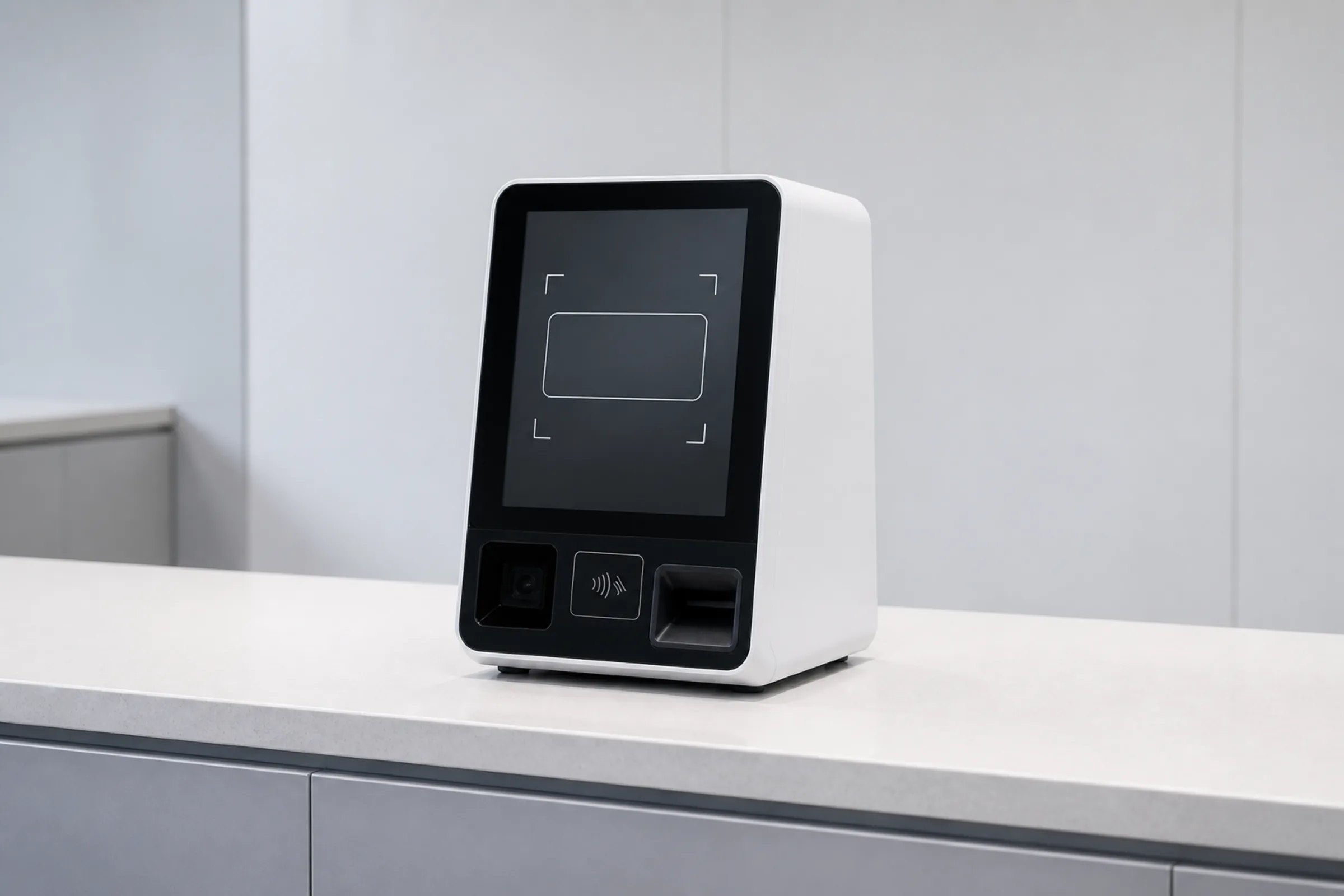
The current generation is closer to a self-service kiosk than to a glass-front snack machine: a large portrait touchscreen, a document scanner that reads a licence or passport at the point of sale, and a contactless reader. Which body you choose changes where it can go — and a countertop unit in a staffed shop is governed by display law rather than by the machine rules.
Where machines are open
Four markets, and the form on each of their pages is live because a supplier can serve them lawfully.