In-store fixtures
A branded cooler is display and advertising at once.
Put a refrigerated display unit inside a staffed shop and the machine rules stop mattering — staff handle the age check. What governs it instead is display and advertising law, which is stricter in several markets and closes some of the ones where vending is open.
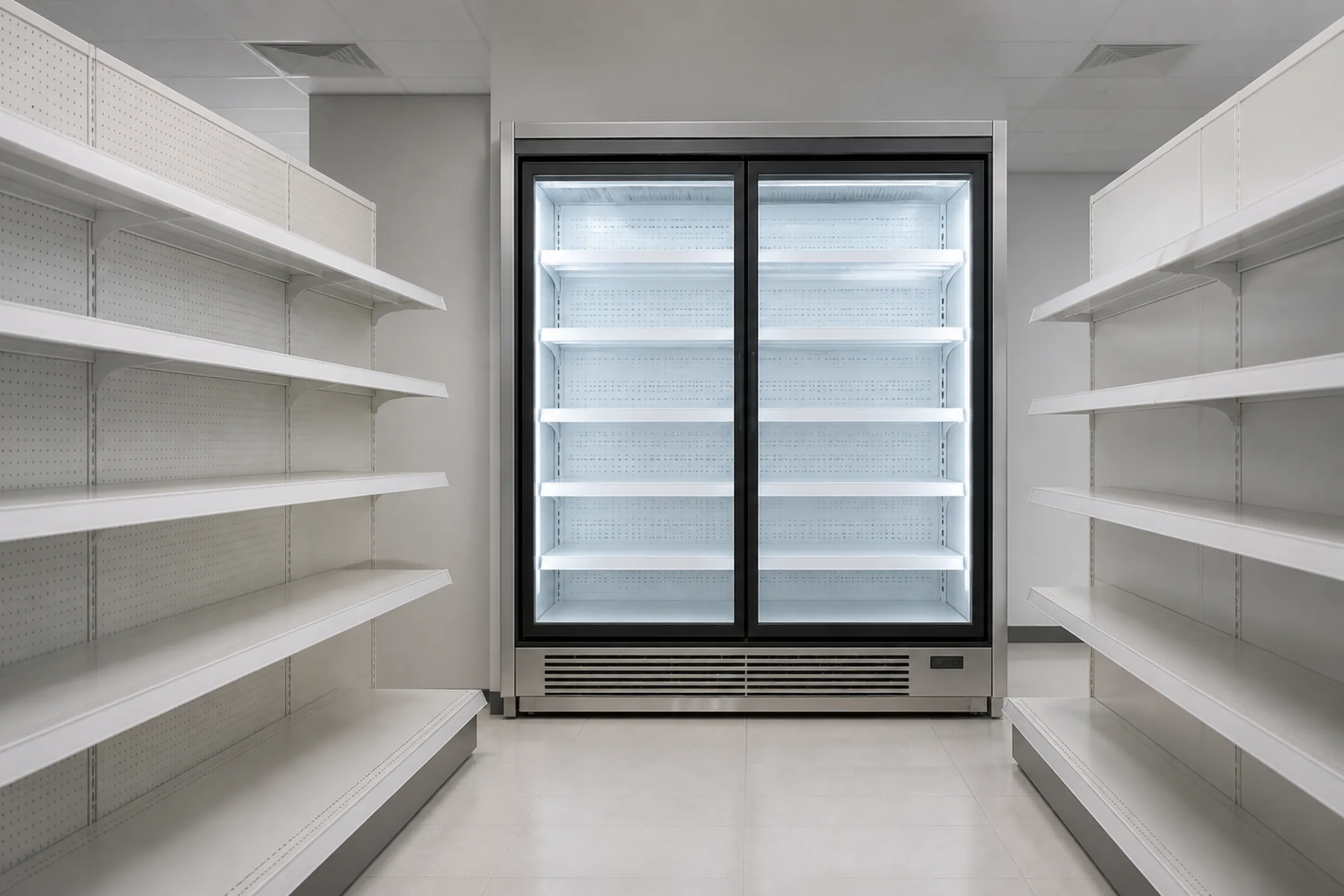
It fails on two counts at once
Where a market prohibits point-of-sale display, product must be kept out of sight — which a display case cannot do by definition. Where it also bans advertising and promotion, the branding on the unit is a second breach independent of the first.
Thailand is the sharpest example. Sellers must keep tobacco products entirely out of public view — not on shelves, not on counters, not in display cases — and a comprehensive advertising ban applies on top. The Public Health Ministry has stated that nicotine pouches are classified as tobacco products and must comply in full.

Who actually buys one
Not the shop. Branded coolers are trade-marketing equipment, placed by a brand or its distributor the way soft-drink coolers have always been — so the buyer is a distributor covering a market, not a single retailer covering a counter.
That makes it a smaller set of customers and a much larger commitment per customer, and it means the legal question is asked once for a whole estate rather than site by site.
The inversion worth knowing
Denmark takes machines and refuses coolers. Poland does the exact reverse. A market being good for one concept says nothing about the other.
Where display is open
Watch the dates. A market open today and closed next June is not one to build an estate around without a plan for the switch.